
Tips and Tricks
Where your skills grow, and your knowledge expands
Can I Learn to Sew with No Experience?
By Alcora Du Plessis
Yes — absolutely. You can learn to sew with no experience.
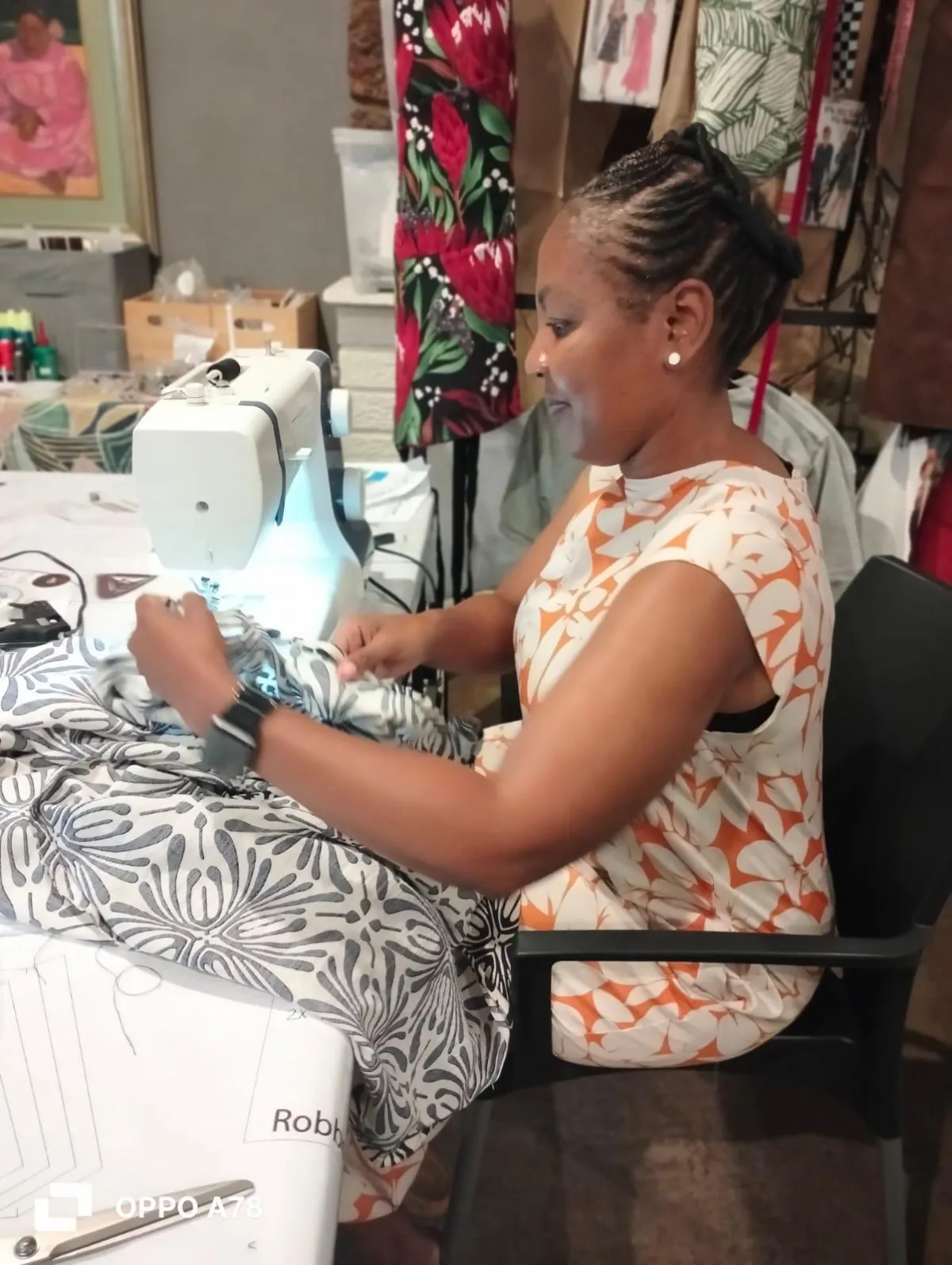
In fact, most of my beginner sewing students arrive with almost no sewing knowledge at all. Some have never threaded a machine. Some have bought a sewing machine and brought it to class still sealed in the box.
Some don’t know what the buttons, dials, bobbin, presser foot or handwheel are for.
And that is completely normal.
Sewing is not something you magically know how to do. It is a skill. And like baking a cake, driving a car, or learning to put your socks on the right way around, sewing is simply a series of steps. Once you understand the steps, practise them, and allow yourself to make a few mistakes along the way, you can absolutely learn to sew.
At Make It & Take It, I teach complete beginners from scratch — and I mean from scratch-scratch. Not “you should already know how to thread your machine” scratch. I mean we start with the machine, the parts, the fabric, the stitch, the seam allowance, the mistakes, the unpicking, the “oops”, the “aha!” and finally the “I made this myself!”
And that moment? It is magic.
Most Beginners Don’t Know Where to Start — and That’s Okay
One of the biggest fears beginners have is that they think they are supposed to already understand sewing before they come to a beginner sewing class.
They worry because they don’t know things like:
What does this button do?
What is a bobbin?
How do I change a needle?
Why is there a top thread and a bottom thread?
How do I sew straight?
What is seam allowance?
Why does my machine make bird nests underneath the fabric?
Am I doing something wrong?
The truth is, these are exactly the things beginners are supposed to learn.
You are not behind. You are not silly. You are not “bad at sewing”. You simply haven’t been taught yet.
A sewing machine can look intimidating when you don’t understand it. There are dials, levers, threads, needles, pedals, stitches and strange little metal bits everywhere. But once someone explains what each part does, it becomes much less scary.
That is why I always start by introducing the sewing machine properly.
The First Thing I Teach: How the Sewing Machine Actually Works
Before my students sew anything “real”, I show them the machine.
Not just where the on button is. I mean we go through the important parts and what each one does.
We look at things like:
the handwheel
the presser feet
the stitch dial
the bobbin
the bobbin case
the needles
the tension dials
the top thread threading
the bottom thread tension
I explain the job of each part, because if you don’t know what something is supposed to do, how can you know what went wrong when it doesn’t work?
Then I explain visually how a stitch is formed.
A lot of people think the sewing machine simply “pushes thread through fabric”, but there is actually a relationship between the top thread and the bottom thread. The two threads work together to lock the fabric pieces into place.
Once beginners understand that, sewing suddenly makes more sense.
It is no longer this mysterious machine making random loops and knots. It becomes a tool they can understand.
Can a Complete Beginner Really Make Something Useful?
Yes. And often much sooner than they think.
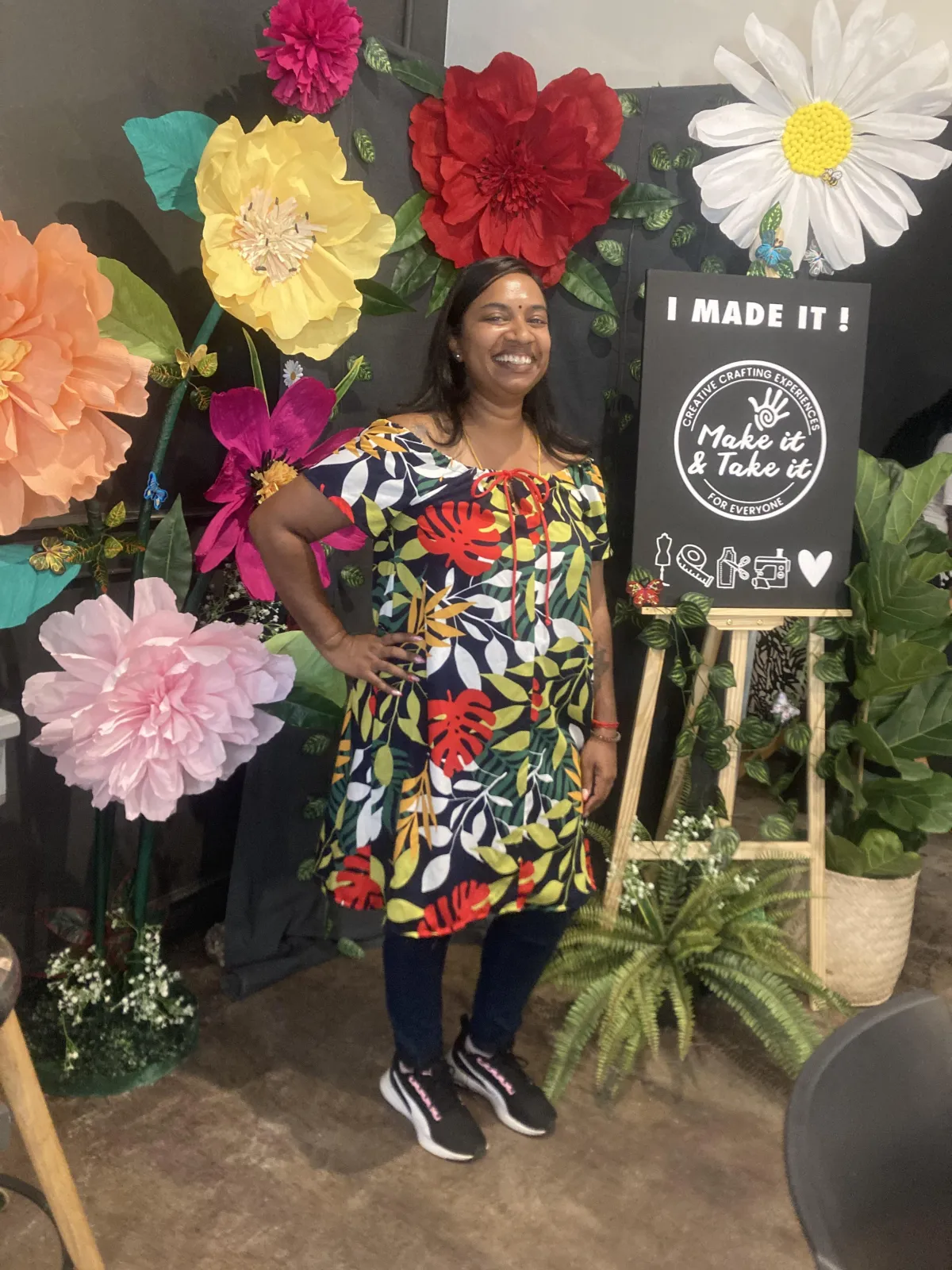
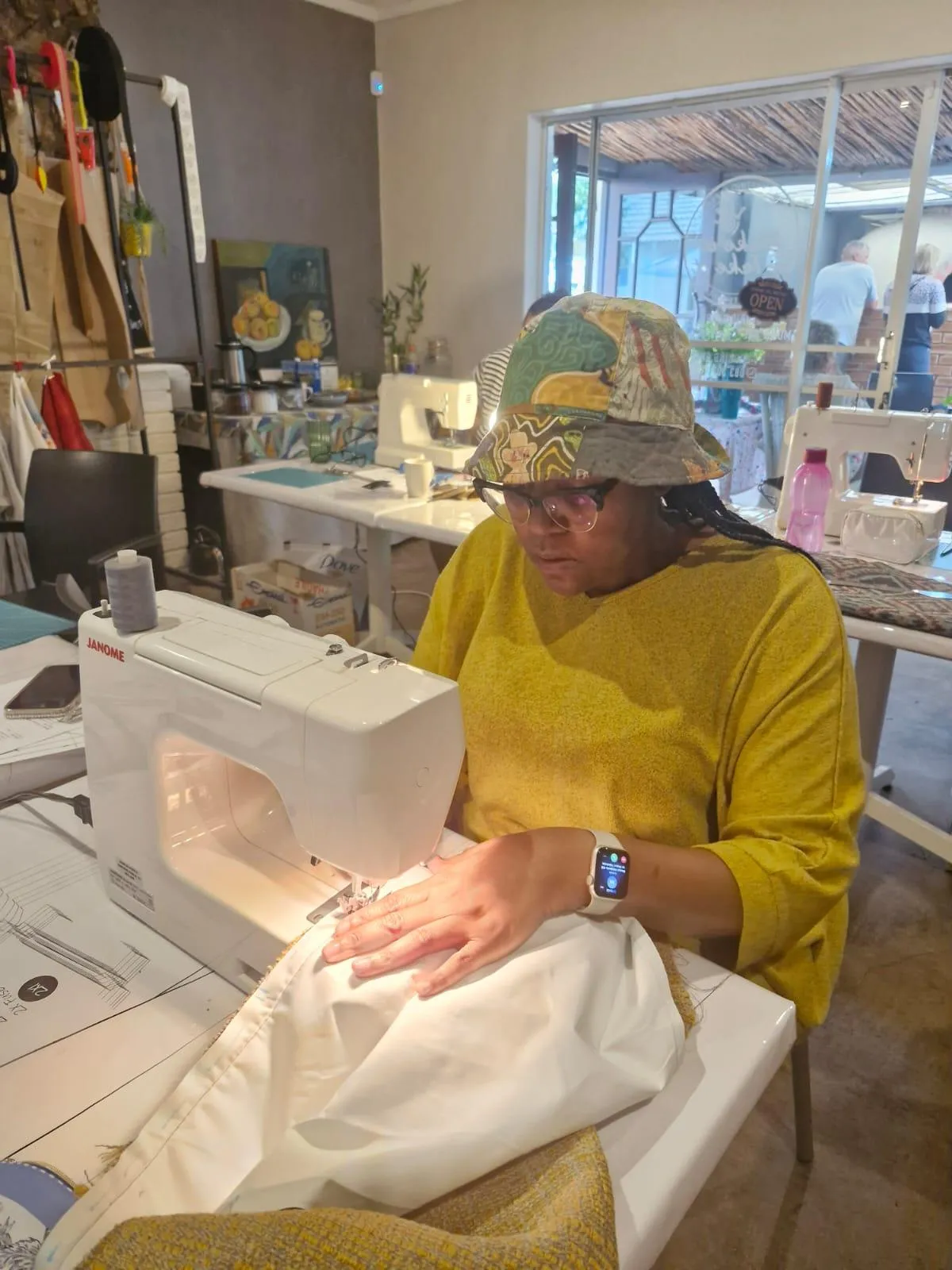
One of the things that surprised me most in my classes was seeing students arrive with brand-new sewing machines still in their boxes, and then within a short time they were making real, usable items.
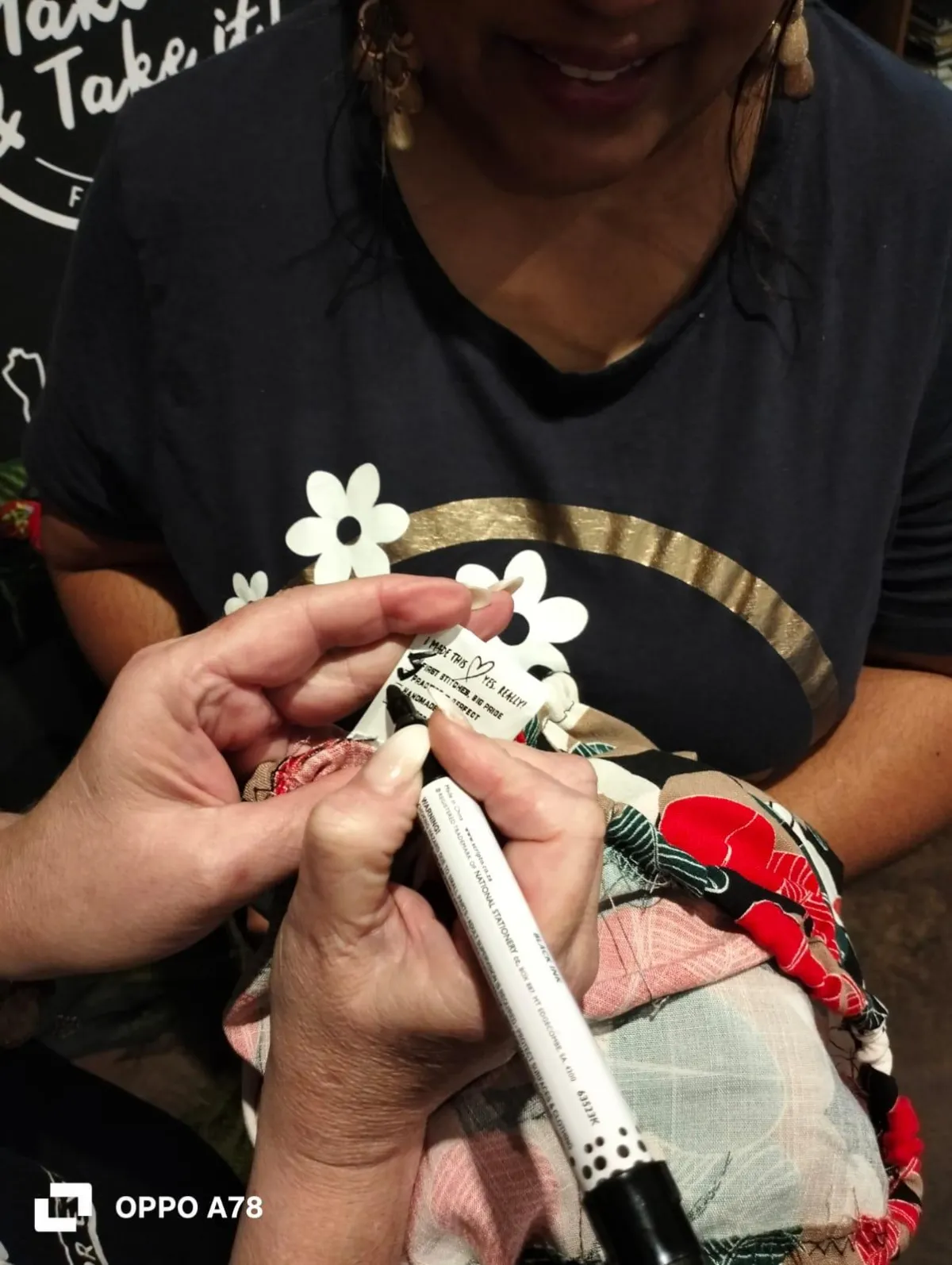
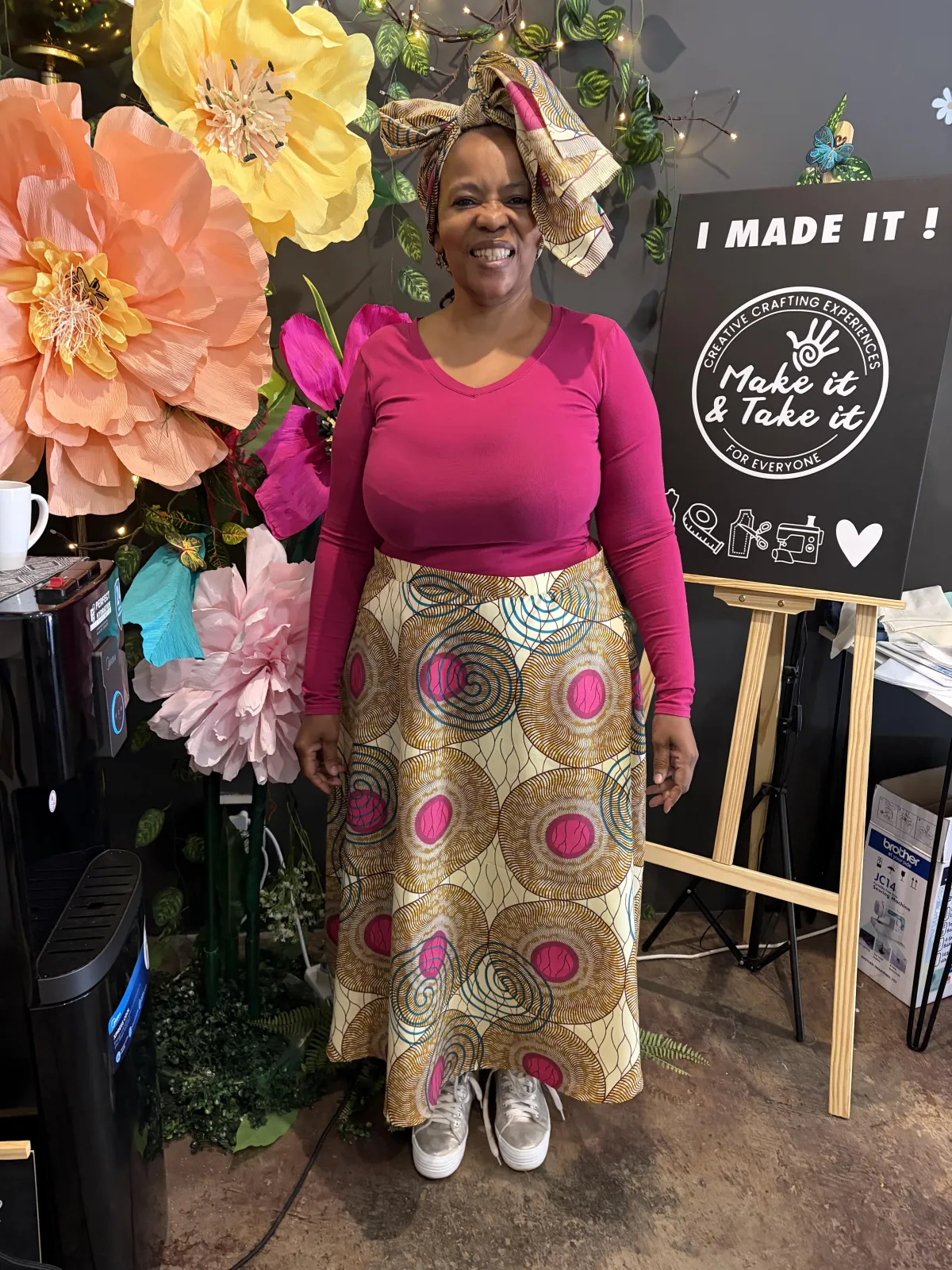
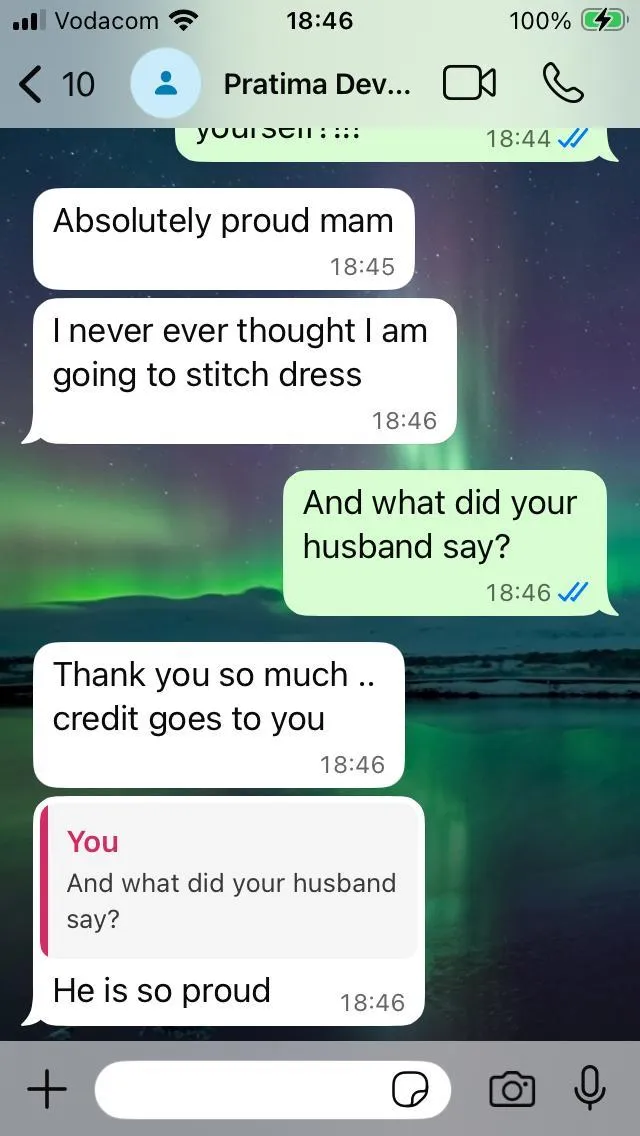
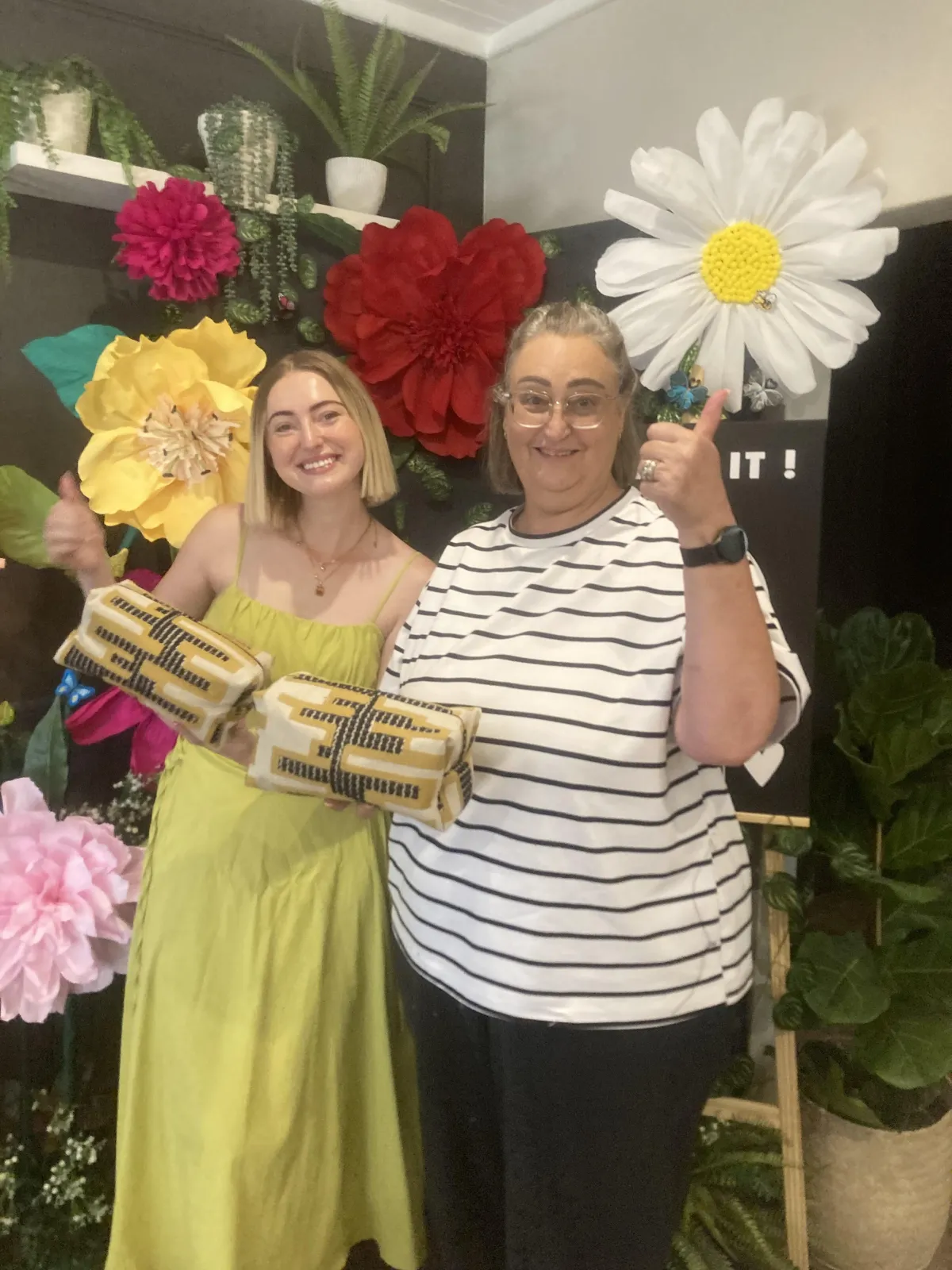
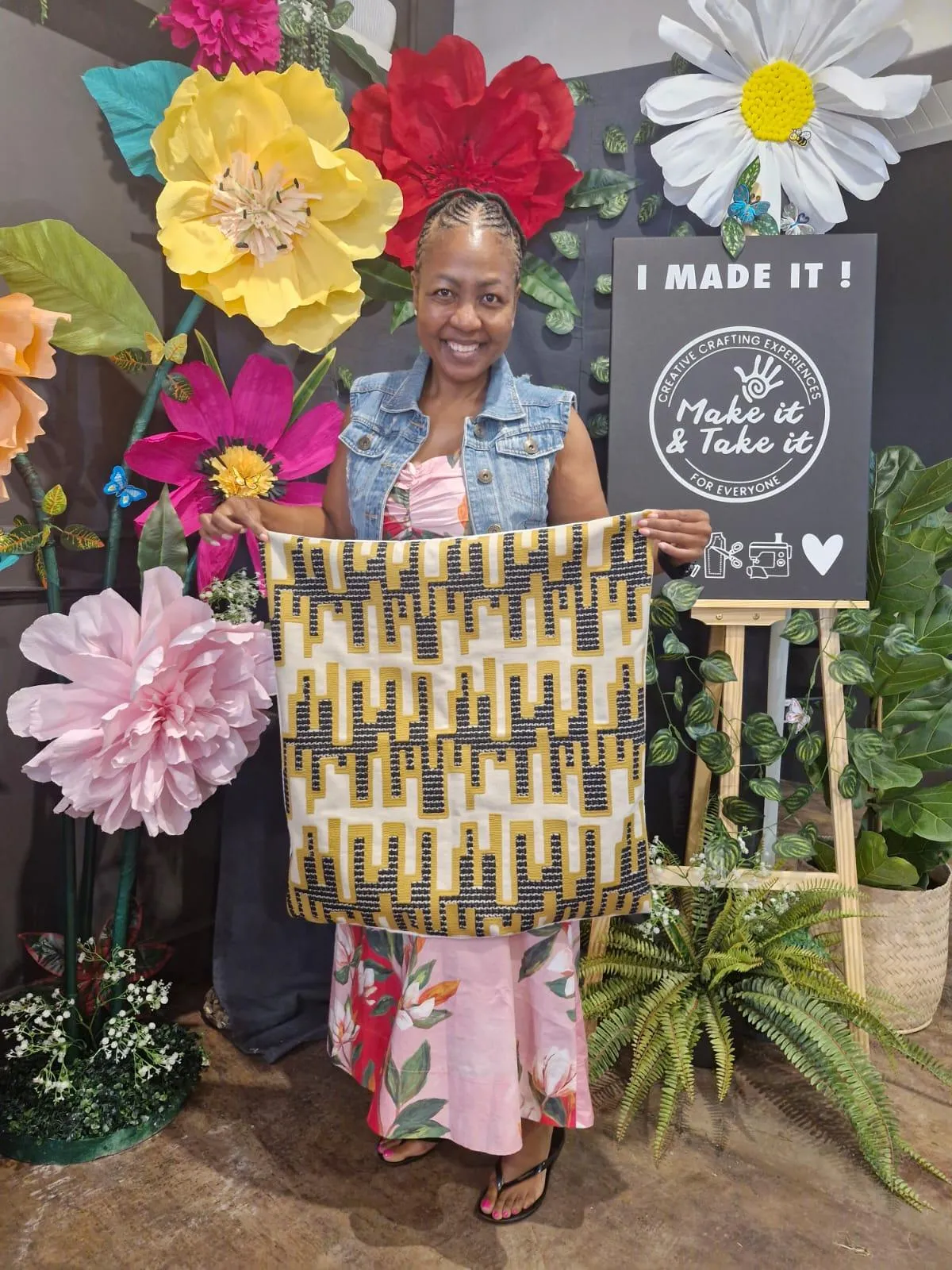
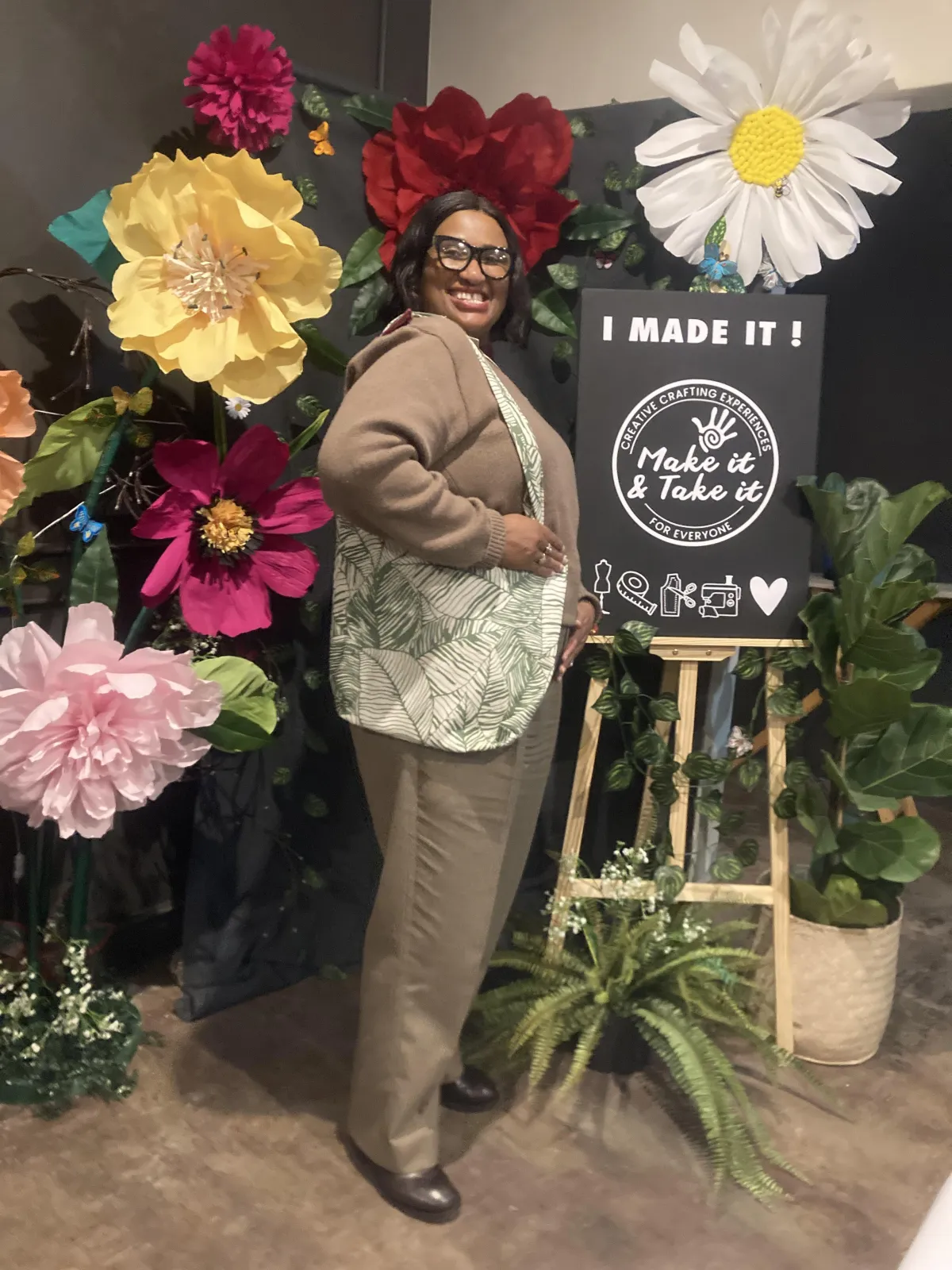
In my beginner classes, students have made bags from scratch. They have made pillowcases with zips. Some went home after class and made another two or three bags in different designs. A few even started selling what they made.
That is after only a few hours of guided learning.
This is why I love beginner sewing so much. There is a beautiful moment when someone realises:
“Wait… I can actually do this.”
And once that happens, their confidence grows quickly.
They start with one bag. Then they make another. Then they change the size. Then they choose different fabric. Then they make something for their children. Then they start asking, “What else can I make?”
That is when sewing becomes exciting.
What Beginner Sewing Projects Are Best?
I believe beginner projects should be useful, achievable and confidence-building.
For me, a great first project is a simple bag.
A bag is practical. You can use it, gift it, make it in different fabrics, and repeat the project several times. It gives beginners a sense of achievement because they finish something real.
Another excellent beginner project is a cosmetic bag or pillowcase with a zip.
Why? Because it teaches an important sewing skill: inserting a zip.
Many beginners are terrified of zips, but once they understand the process, it becomes much less scary. And once they have done one zip, they start to realise that sewing is not about magic talent. It is about following steps.
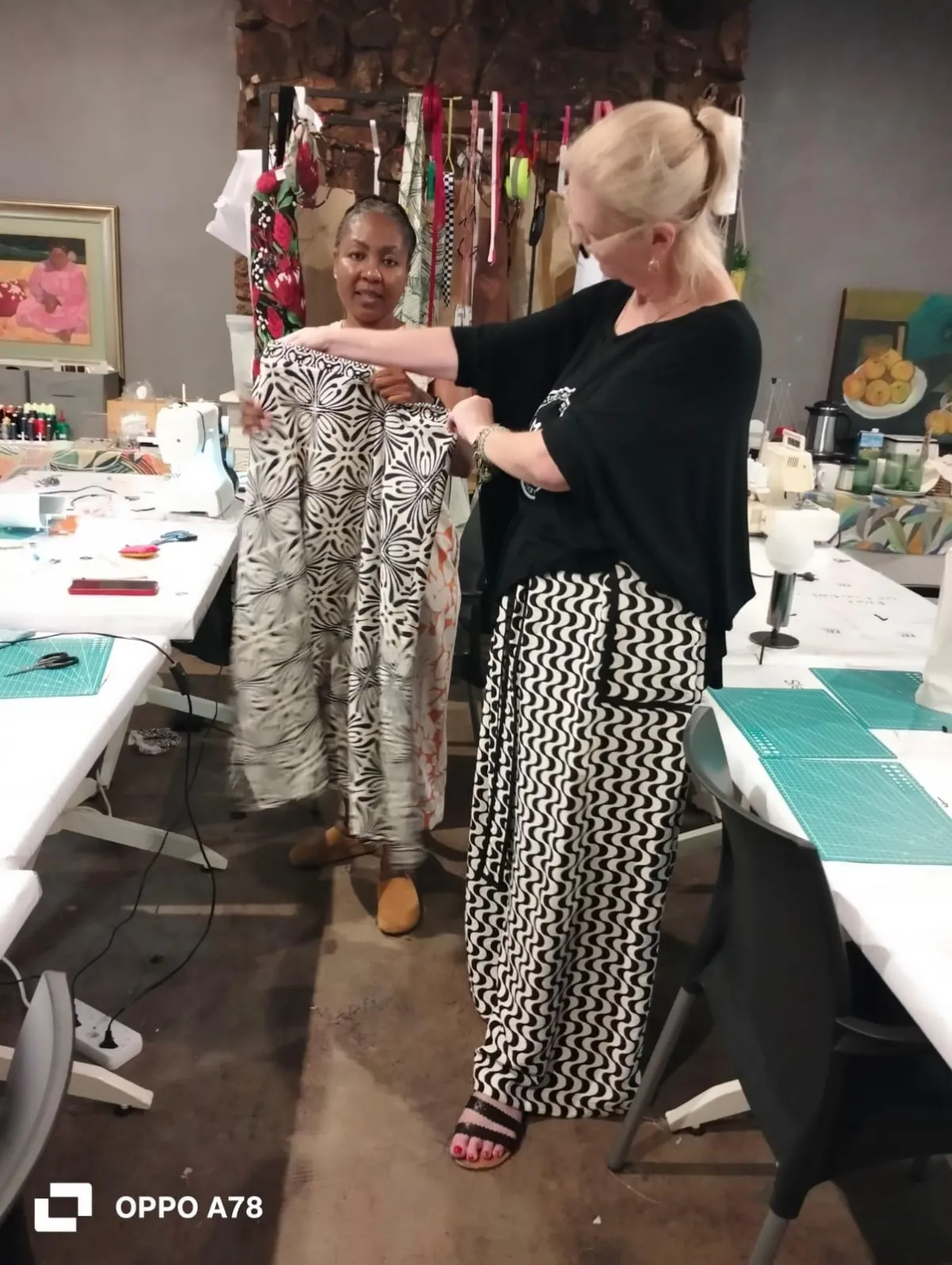
Then, once the foundation is stronger, I love introducing something like an elasticated pant.
An elasticated skirt can be very easy, sometimes almost too easy. A pant gives beginners more value because it helps them understand that the body is three-dimensional.
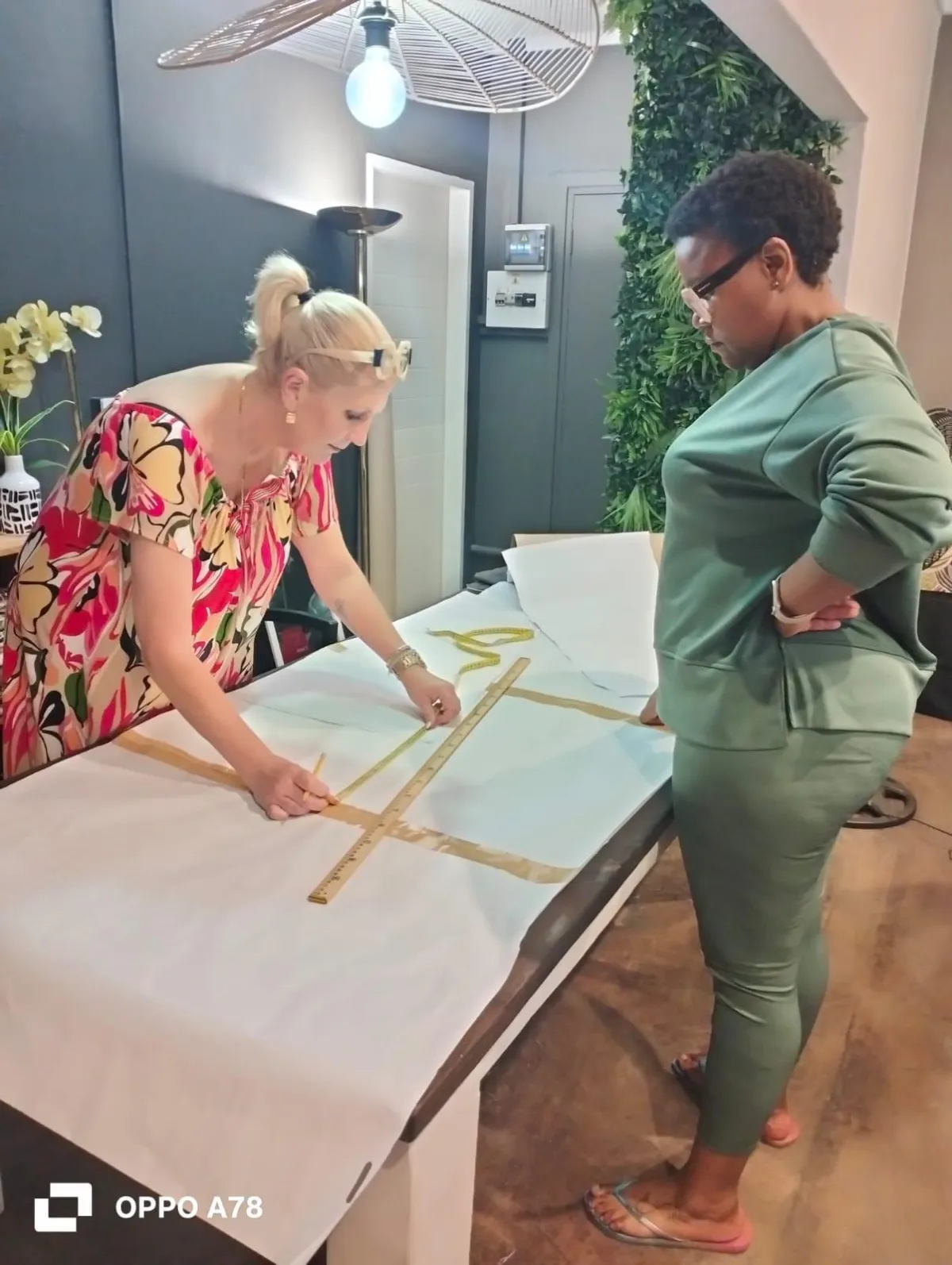
They learn why the front pattern piece and back pattern piece are not the same. They begin to understand shape, fit and construction.
A pant is not just a flat rectangle. It becomes a 3D garment.
That is a powerful lesson for a beginner.
The Biggest Beginner Mistake: Not Understanding Seam Allowance
One of the biggest mistakes complete beginners make is not understanding seam allowance.
Seam allowance is not just “extra fabric”.
It is the space that allows two pieces of fabric to join together properly. It is what holds your front and back together. It is what joins your side seams. It is what turns flat fabric into a 3D item.
If your seam allowance is inconsistent, your project can become too small, too big, twisted, uneven or difficult to finish neatly.
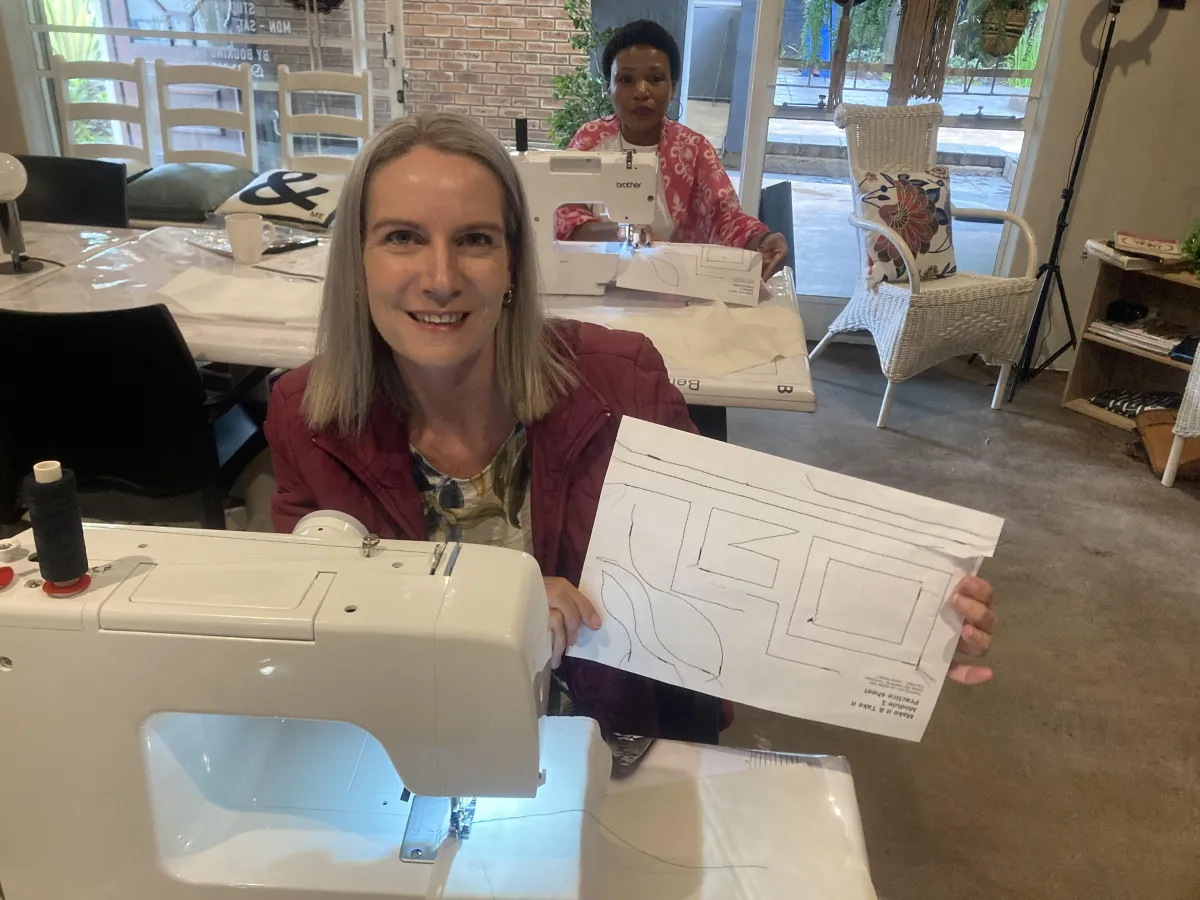
For beginners, sewing a perfect 1 cm seam allowance can feel surprisingly difficult. Most people want to watch the needle, but that usually makes them wobble.
So I teach students not to stare at the needle.
Instead, I show them how to guide the edge of the fabric using the markings on the sewing machine or presser foot. You can even use a strip of black tape as a visual guide so your fabric edge follows the correct line.
This one small change can make a huge difference.
Suddenly the student is not trying to “guess” where 1 cm is. They have a clear visual guide.
Can You Learn Sewing from YouTube?
Yes, and no...You can for sure learn some sewing tips from YouTube, and I have had students who started learning from YouTube and did a really good job. So I would never say YouTube is useless.
But I do believe YouTube has limits, especially for complete beginners.
A video can show you the steps, but it cannot always see what you are doing wrong. It cannot stop you when your fabric is pulling. It cannot notice that your tension is wrong. It cannot tell you why your zip is slightly twisted, why your corners are bulky, or why your fabric is not behaving the way the video said it would.
YouTube often shows the clean version of sewing and they don't explain why you do it a certain why.
It does not always show the little niggly things that happen in real life. It does not always teach the finesse, the handling of fabric, the finishing touches, or the tricks of the trade that come from years of experience.
That is where hands-on guidance makes a big difference.
In class, I can see what is happening. I can correct your hand position. I can show you how to reduce bulk. I can explain why your seam is pulling. I can help you fix the mistake before it becomes a bigger problem.
That personal guidance builds confidence much faster.
What Makes Someone Become Confident at Sewing?
Practice, Practice and more Practice.
Not talent. Not expensive machines. Not perfect fabric. Practice.
The more you sew, the more your muscle memory develops. You begin to sew straighter. You begin to understand how fabric moves. You remember how to insert a zip. You become less scared of making mistakes.
And mistakes are part of the process.
In fact, mistakes are where a lot of the real learning happens.
You sew something wrong. You unpick it. You understand why it went wrong. You try again. And the next time, you know better.
That builds confidence.
I often find that people who don’t continue sewing usually don’t practise enough. They finish a class and think, “Okay, now I know how to sew,” but then they don’t keep using the skill.
Sewing is a bit like cooking.
You might learn how to fry an egg, but that doesn’t automatically mean you can make a perfect omelette, bake a soufflé and cater a dinner party. You build from one skill to the next.
The same happens with sewing.
First you learn to sew straight. Then you learn corners. Then curves. Then zips. Then waistbands. Then garments. Then fit. Then finishing.
Each skill builds on the one before it.
Am I Too Old, Too Slow or Too Uncreative to Learn?
No. No. And no.
Nobody is too old to learn how to sew.
I truly believe it is never too late. You can learn at any age if you are willing to start at the beginning and give yourself permission to be a beginner.
And if you think you are too slow, I would actually say: good.
Sewing is not a race, because every stitch is already a winner!
It is far better to sew slowly and correctly than to rush, make mistakes, and then spend twice as long unpicking everything. Slower often means neater. Slower means you are paying attention. Slower means you are learning properly.
And you do not have to be a naturally creative person to learn how to sew.
Sewing is not only about creativity. It is about steps.
If you can follow a recipe, you can learn to sew. If you can drive a car, you can learn to sew. If you can follow a process, prepare your materials, and do one step at a time, you can learn.
Creativity can come later.
First, you learn the foundation.
Why Foundations Matter So Much
My beginner sewing classes are not about quickly showing someone how to stitch a straight line and sending them off.
I believe your foundations must be correct from the beginning.
That means learning:
how your machine works
how to thread it properly
what seam allowance is
how to sew straight
how to sew corners
how to sew curves
how to handle fabric
how to reduce bulk
how to finish neatly
how to understand basic construction
This is the difference between simply “making something” and learning how to sew properly.
As a fashion designer with decades of sewing experience, I teach beginners the way I believe they deserve to be taught: clearly, patiently, practically and from the ground up.
You do not need to know anything before you start.
You just need to be willing to learn.
So, Can You Learn to Sew with No Experience?
Yes. You can.
You can start with no knowledge, no confidence, and even a sewing machine still in the box.
You can learn what the parts of the machine do. You can learn how stitches are formed. You can learn to sew straight, insert a zip, understand seam allowance, make useful items, and eventually create clothes you are proud of.
But the secret is this:
You must practise.
You must make mistakes.
You must be willing to unpick and try again.
You must not expect perfection on day one.
Sewing is not about being perfect.
It is about learning one step at a time until suddenly you look at something and say:
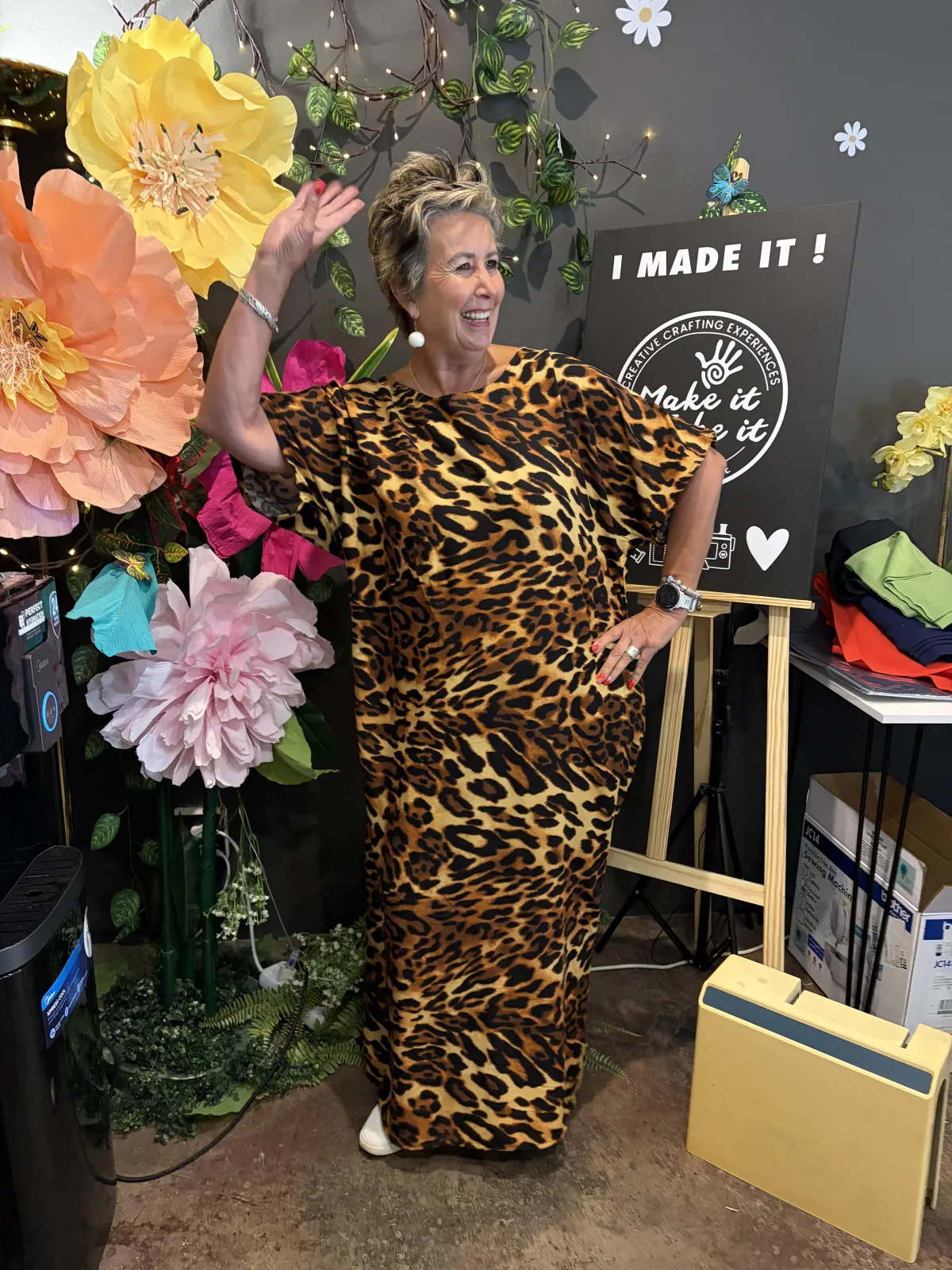
“I made that.”
And once you experience that feeling, you will understand why sewing is so addictive.
Ready to Start Sewing from Scratch?
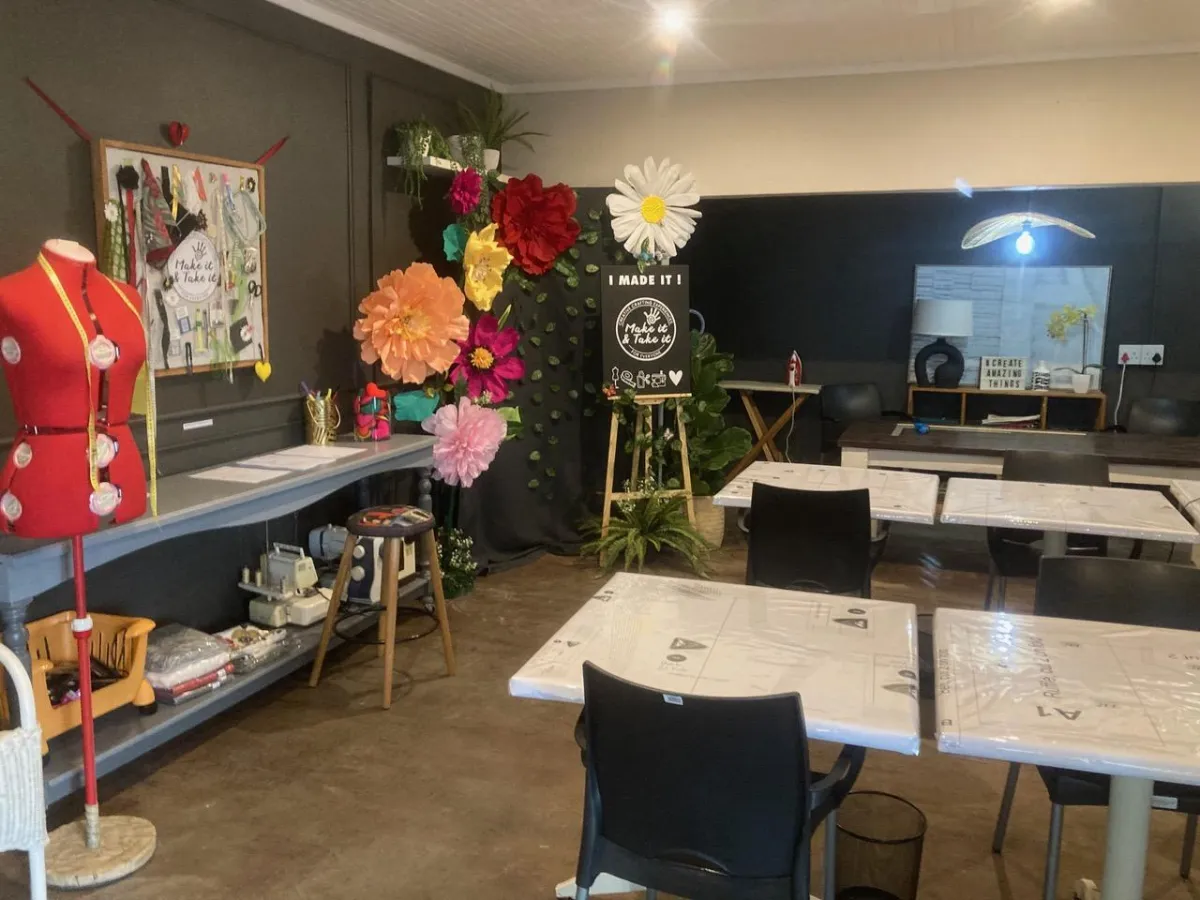
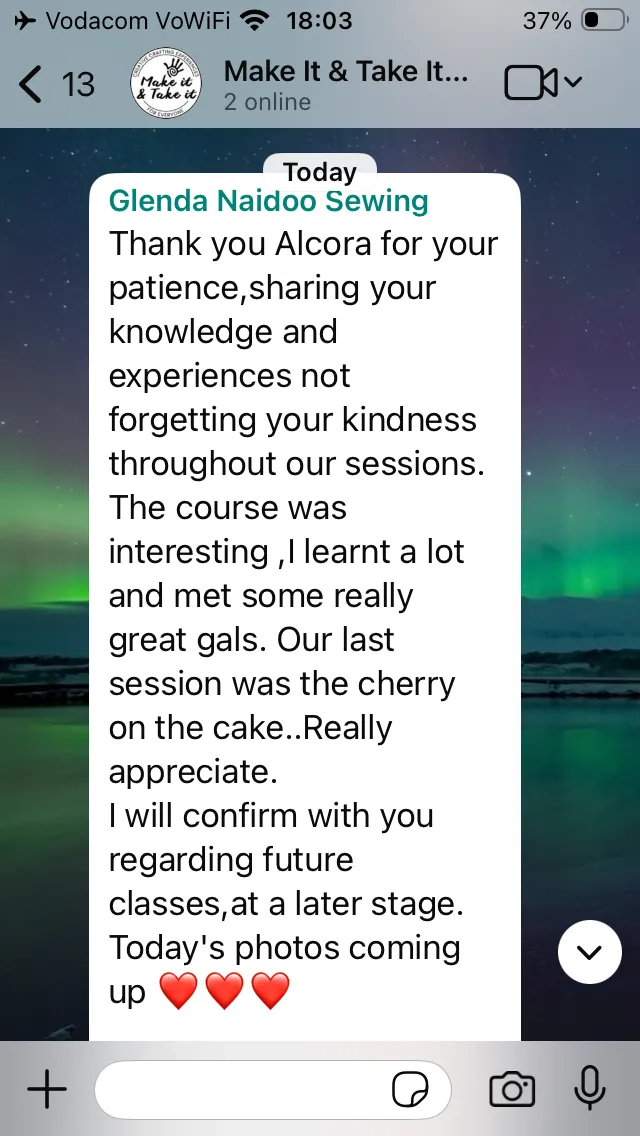
At Make It & Take It, our Beginner Sewing Course is designed for absolute beginners — even if you have never touched a sewing machine before.
We start from the very beginning, help you understand your machine, teach you the foundations properly, and guide you step by step as you build confidence.
Bring your sewing machine, even if it is still in the box.
We will take it from there.
Make It & Take It Sewing Studio
Beginner-friendly sewing classes in Centurion
Website: www.makeitandtakeit.co.za
WhatsApp bookings: 083 302 9702
Make It & Take It
Alcora du Plessis
Founder | Fashion Designer | Sewing Mentor
📞 083 302 9702
Centurion Sewing Classes
COMPANY

LEGAL
CUSTOMER CARE
FOLLOW US
Copyright 2026. Make it & Take it. All Rights Reserved.